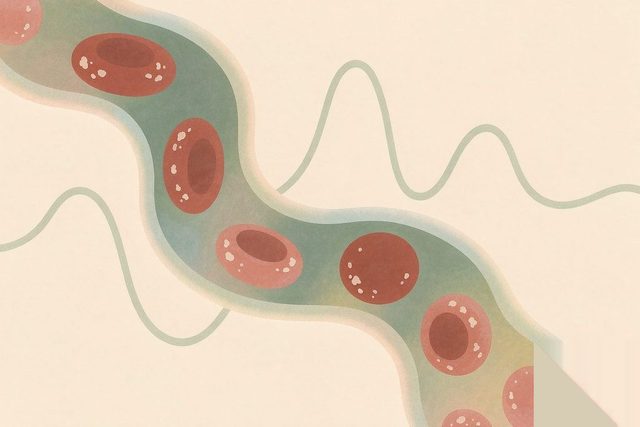
“Circulation” is a broad word that people use for cold hands, leg discomfort, swelling, and other concerns that have different causes, so no single food, routine, or supplement can be assumed to help all of them. The evidence-supported levers after 50 are ordinary and unglamorous: regular movement, not smoking, managing blood pressure and cholesterol with a clinician, and getting new or persistent symptoms evaluated. This guide covers what is reasonable to try and where self-care should give way to medical assessment.

What “circulation” can mean
Specific experiences matter more than the umbrella word. Feeling cold, leg discomfort when walking, changes in sexual function, and swelling have different possible causes, and a single food, exercise routine, or supplement cannot be assumed to address all of them. A symptom that is new or persistent deserves individual assessment.
After 50, the most useful focus is a pattern of everyday habits and regular preventive care. The goal is not to promise a particular outcome. It is to support established cardiovascular-health behaviors while recognizing that a clinician may need to evaluate symptoms, medications, and risk factors.
Move regularly and build gradually
The US Centers for Disease Control and Prevention (CDC) recommends that adults get at least 150 minutes of moderate-intensity physical activity each week and muscle-strengthening activity on two days, with adjustments for ability and health status. Brisk walking is one possible starting point. Short, frequent walks can be more manageable than an ambitious routine, and intensity can be increased gradually when appropriate.

Anyone with a diagnosed condition, significant pain, balance limitations, or a long period of inactivity should discuss a safe starting point with a healthcare professional. Stop and seek medical advice for concerning symptoms during activity, such as chest pressure, fainting, or unusual shortness of breath. Exercise is valuable, but it is not a test to push through warning signs.
Support blood pressure, cholesterol, and glucose care
High blood pressure, abnormal cholesterol, and diabetes can affect blood vessels without obvious day-to-day symptoms. The National Heart, Lung, and Blood Institute (NHLBI) describes heart-healthy eating as emphasizing vegetables, fruits, whole grains, beans, nuts, fish, and lean or plant-based protein while limiting excess sodium, added sugars, and saturated fat. A sustainable eating pattern is more practical than a short “detox.”
Keep appointments and ask what screening or monitoring is appropriate for you. If a clinician prescribes medicine for blood pressure, cholesterol, diabetes, or another condition, take it as directed and discuss side effects rather than stopping on your own. Lifestyle measures can complement treatment, but they do not replace a prescribed plan.
Avoid tobacco and be thoughtful about alcohol
Smoking damages blood vessels and raises cardiovascular risk. The CDC provides quit-smoking resources and notes that quitting benefits health at any age. A healthcare professional, pharmacist, or quitline can help identify an approach that fits your circumstances. Avoid framing a supplement as a substitute for quitting support.
Alcohol can affect health in several ways, and “moderate” does not mean that starting to drink is beneficial. Discuss alcohol use honestly during medical visits, especially if you take medicines or have liver, heart, sleep, or blood-pressure concerns. Do not use alcohol as a circulation remedy.
Read symptoms as information, not a shopping prompt
Leg pain or cramping brought on by walking and relieved by rest, one-sided swelling, skin color changes, numbness, or wounds that do not heal should be discussed with a clinician. Sudden severe symptoms, chest pain, difficulty breathing, fainting, or signs of stroke require urgent medical attention. Sexual-function changes can also have multiple causes and may warrant a confidential medical conversation rather than an unverified enhancement product.
Be cautious with supplements advertised to “increase circulation” or deliver immediate results. Product labels may not reveal all risks, and some products marketed for sexual enhancement have been found by regulators to contain undeclared drug ingredients. “Natural” is not a guarantee of safety, and supplements can interact with medicines. Ask a clinician or pharmacist to review a product with you, including its complete label.
Where supplements are still of interest, use a disclosure-first framework rather than marketing-first: our blood flow formula comparison guide shows how to check a label, and the evidence review of L-arginine and L-citrulline explains what studies of the two most common ingredients can and cannot say.
A realistic weekly checklist
- Add activity in manageable sessions and work toward the CDC target when appropriate.
- Include vegetables, fruit, whole grains, beans, nuts, and other minimally processed foods regularly.
- Track the health measures your clinician recommends, such as blood pressure or glucose.
- Do not smoke; use evidence-based quit support if you do.
- Review medicines and supplements with a pharmacist or clinician.
- Record new or changing symptoms and when they occur.
| Lever | What it means in practice | Why it comes first |
|---|---|---|
| Activity | Manageable sessions, building toward the CDC target | Free, and the best-supported daily change |
| Eating pattern | Vegetables, fruit, whole grains, beans, nuts | Addresses blood pressure, cholesterol and glucose together |
| Tobacco and alcohol | Not smoking; being thoughtful about alcohol | The largest single modifiable risk factor |
| Monitoring | Track the measures your clinician recommends | Turns a feeling into something measurable |
| Medicine review | Pharmacist or clinician reviews everything you take | Catches interactions no label describes |
These steps support general health, but no checklist diagnoses a circulation disorder or guarantees a result. Individual recommendations should reflect medical history, current medicines, mobility, and personal goals.
Frequently asked questions
Do I need a supplement to support circulation after 50? Not by default. The behaviors with the strongest evidence base — activity, not smoking, prescribed-care adherence, and a heart-healthy eating pattern — cost little and carry none of the interaction risks that supplements can. A supplement is a personal choice best made with professional input, not a requirement.
Are cold hands and feet always a circulation problem? Not necessarily; many factors including temperature, sleep, and medication can play a role. Persistent one-sided changes, color changes, or pain during walking deserve a clinical conversation.
Is compression clothing useful? Compression garments have legitimate medical uses, but sizing and appropriateness vary by person and condition. Ask a professional rather than guessing, especially with vascular disease or diabetes.
What single change has the biggest evidence behind it? If you smoke, quitting. The CDC describes cardiovascular benefits of quitting at any age, and no supplement replicates that effect.
How long before lifestyle changes “show results”? That framing deserves care: habits like regular walking are ongoing supports, not interventions with a guaranteed timeline. What can be measured — blood pressure readings, lab work, how far you can walk comfortably — belongs in conversations with your clinician, who can track change over months rather than days.
Where supplements fit
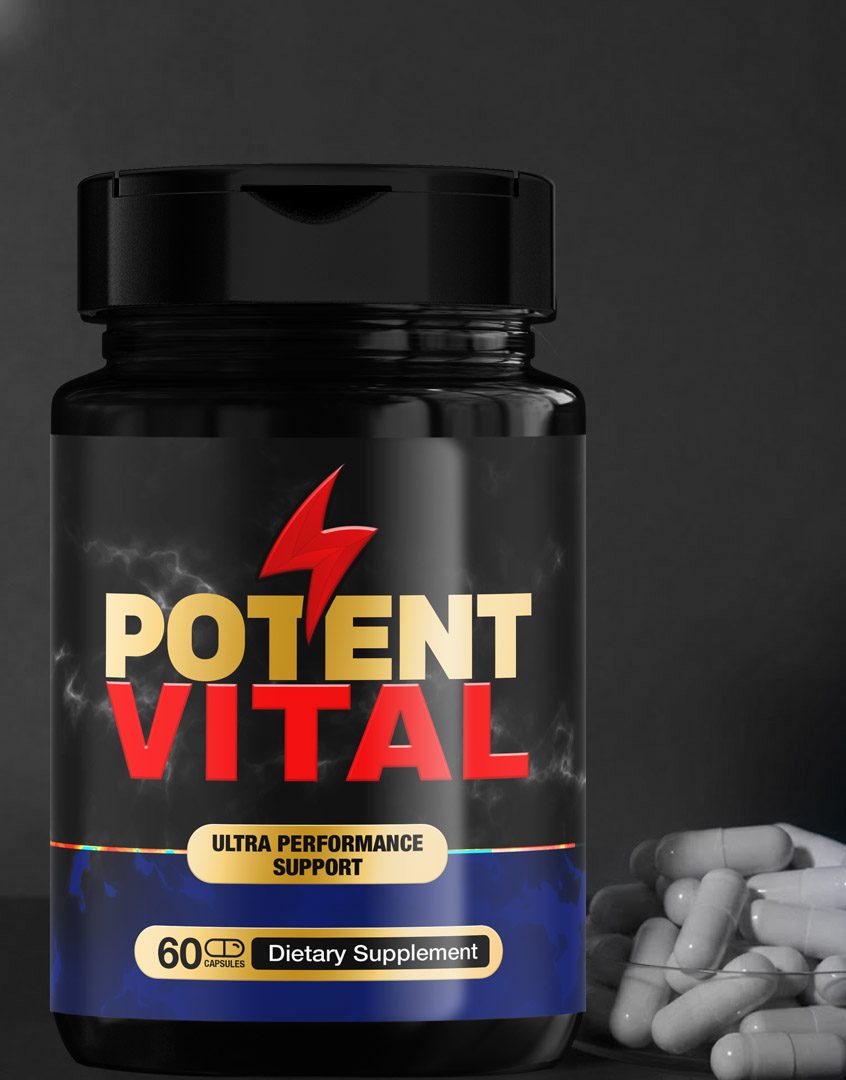
Everything above is free or close to it, which is why it comes first. If you’re still considering a product afterwards, the decision turns on things a label can tell you: whether amounts are disclosed, whether the form matches the form that was studied, and whether the commercial terms — refund window, recurring billing, multi-bottle pricing — are visible. We’ve run those checks on PotentVital (current terms) and ColestZen (current terms), marking any field we couldn’t verify from the manufacturer’s own pages as not found.
Sources and scope
- CDC: Physical Activity Basics for Adults — activity guidance for adults.
- NHLBI: Heart-Healthy Eating — dietary pattern information.
- CDC: Health Effects of Cigarettes — smoking and health context.
- FDA: Tainted Sexual Enhancement Products — regulator warnings about undeclared ingredients in some products.
- Ortega CA, et al. The Role of Home-Based Exercise in the Management of Peripheral Artery Disease. Curr Treat Options Cardiovasc Med. 2026;28: https://pubmed.ncbi.nlm.nih.gov/42683409/ (accessed October 12, 2026).
- Prosser J, et al. Identifying the Most Clinically Effective Exercise Prescription for Improving Maximum Walking Distance. Eur J Vasc Endovasc Surg. 2026: https://pubmed.ncbi.nlm.nih.gov/42379346/ (accessed October 12, 2026).
Accessed October 9, 2026.
Editorial status
This article is general educational information, not diagnosis or personal medical advice. It makes no product recommendation and does not claim that a lifestyle change or supplement will treat a condition.
Related notes
→ saw palmetto with beta-sitosterol
→ Heart, Circulation and Men’s Health Supplements Compared
→ Top Blood Flow and Nitric Oxide Formulas for Men
→ Early Signs of Peripheral Circulation Problems
Facts checked: 9 October 2026 · VitalRoundup Editorial Team · Reviewed by VitalRoundup Editorial Team (sources and label data re-checked) · How we review